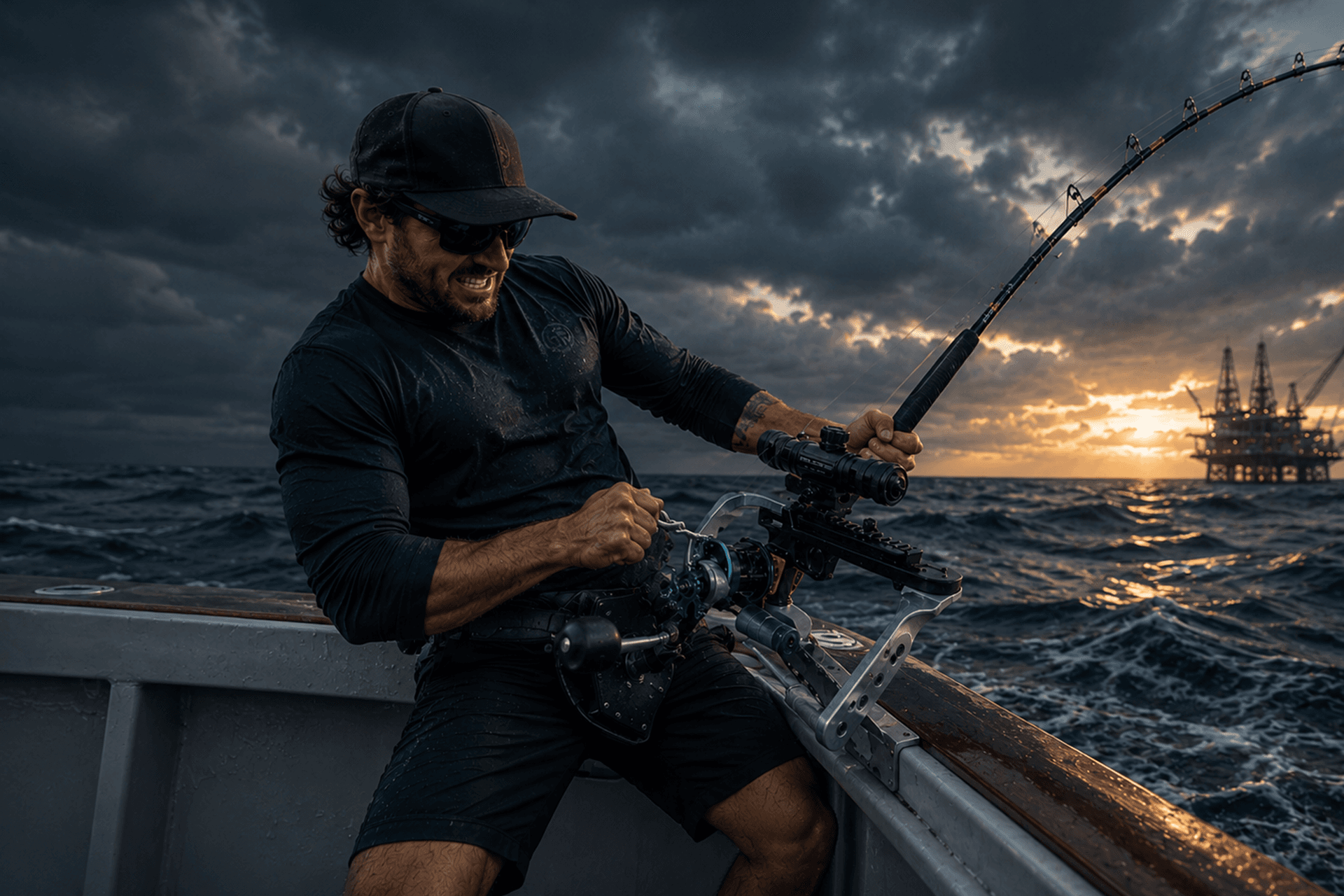
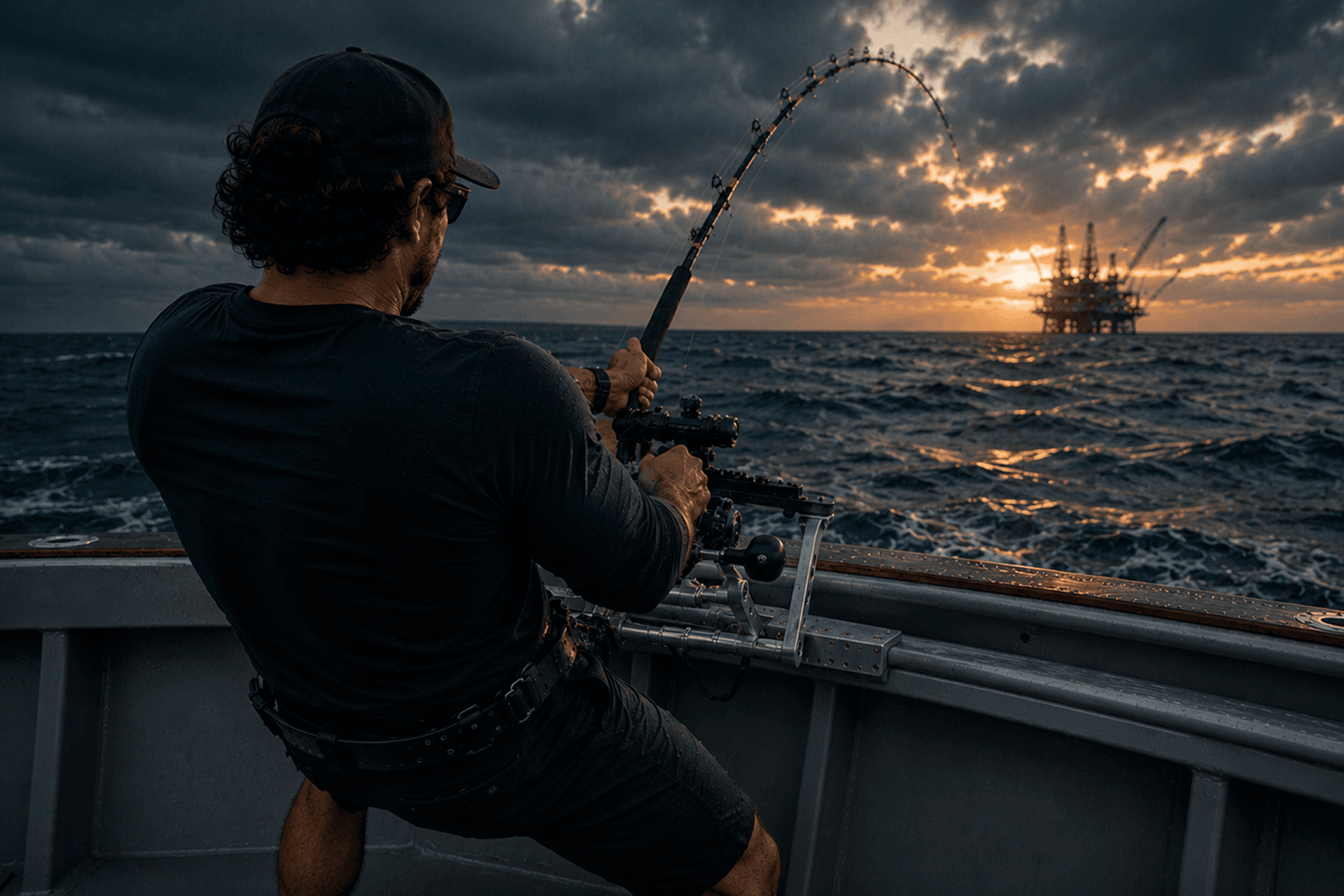
A fish story is only worth as much as the proof behind it. Here's the pipeline that turns a great catch into a verifiable record.
Records are supposed to be the ultimate measure of an angler's skill and a fishery's potential. But for as long as records have existed, they have depended on a fragile chain of trust: a witness here, a certified scale there, a photo with a tape measure held at a hopeful angle. Mistakes happen, disputes happen, and great catches go unrecognized because the proof did not hold up.
Sling Reel is building a world-record platform designed to make verification rigorous, consistent, and — crucially — easy enough that anglers will actually use it. Here is how the pipeline works.
The problem with the old way
Traditional record-keeping leans on circumstances that are hard to reproduce and easy to contest. Was the scale certified and recently calibrated? Were the witnesses credible and present for the whole process? Was the length measured to an agreed standard, or estimated from a single photograph after the fact?
Each of those questions is a place where a legitimate catch can fall apart on paper. The system was never dishonest by design; it was simply built before the tools existed to do better.
A connected pipeline
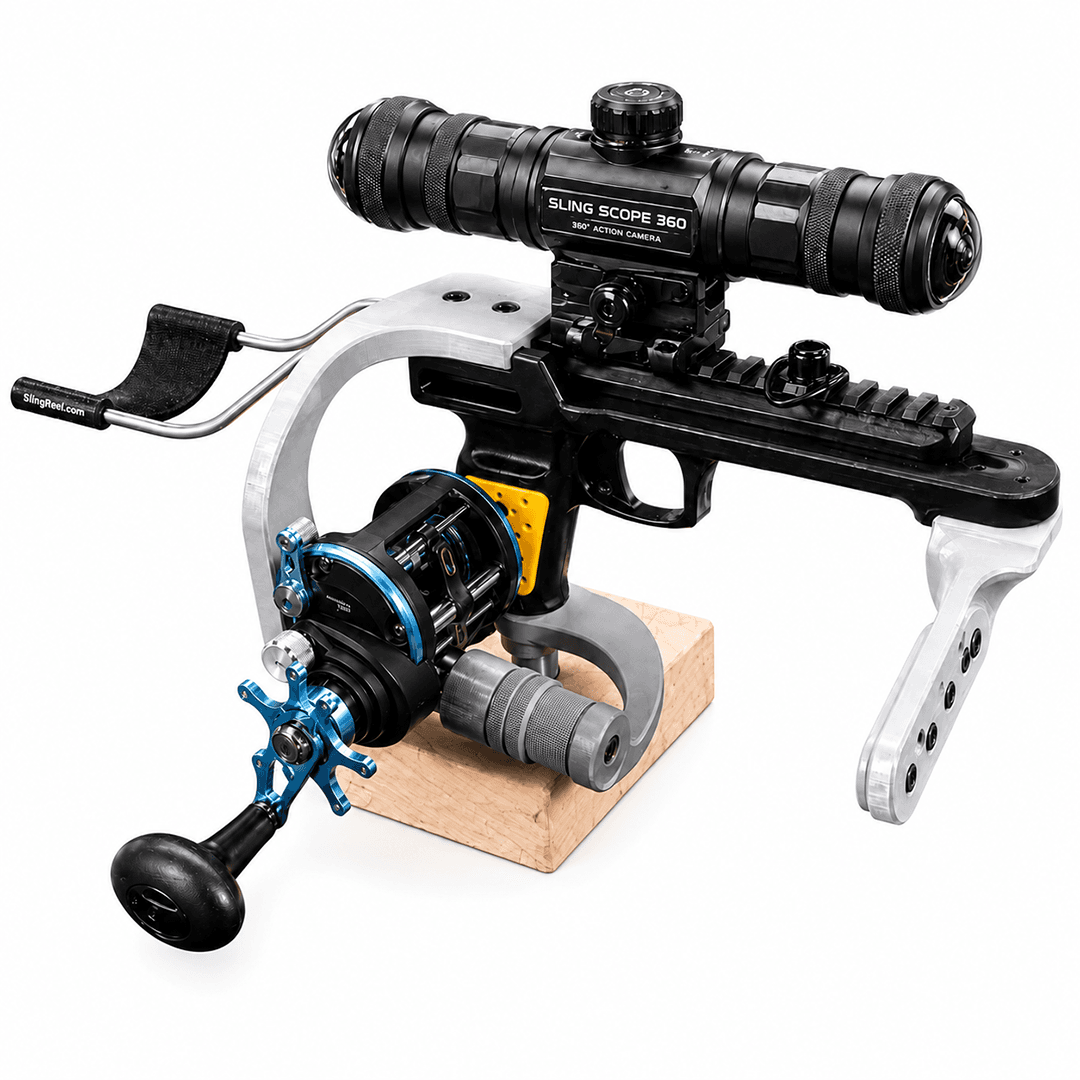
The Sling Reel approach replaces that fragile chain with a single connected pipeline, captured the same way every time. It runs in five steps: fight and record the catch in immersive 360° video; land and prepare the fish on a flat surface or an official record mat; scan the fish with the Sling Scope 360; let the system auto-measure; then submit and share.
The important idea is that each step produces data that travels with the submission. By the time a record reaches review, it already carries its own evidence — footage, measurements, and metadata — rather than relying on memory and goodwill.
Capture the whole story
It starts before the fish is even in the boat. Recording the entire fight in 360° means the catch is documented from every angle, start to finish. There is no ambiguous moment, no off-camera gap where doubt can creep in.
That footage is valuable beyond verification, too. It is the content that brings a record to life for the rest of the community — but first and foremost, it is the proof that the catch happened the way the angler says it did.
Measure to a standard
Once the fish is landed and prepared, the Sling Scope 360 measures it using stereo vision and a multi-pass 3D scan. Because the measurement comes from real geometry rather than a flat photo, it is accurate and repeatable. The angler confirms the auto-detected endpoints, and the system records the result.
Crucially, every angler measures the same way with the same tool. That standardization is what makes records comparable across people, places, and time — the foundation any serious record program needs.
Submit, verify, and rank
With footage and measurement in hand, the platform auto-generates a submission package. That package is what moves through verification — a far cleaner process when the evidence is built in from the first cast rather than reconstructed afterward.
Approved catches then take their place on the leaderboards, organized so achievements are easy to find, compare, and celebrate. The result is a living record of what is possible on the water, backed by proof at every step.
Built to be trusted — and contested fairly
A good record system has to survive scrutiny. Because every submission carries its own footage, measurement, and metadata, a claim can be reviewed against consistent evidence rather than competing memories. Disputes become a matter of checking the package, not re-litigating the day.
That consistency protects honest anglers most of all. When the bar is the same for everyone and the proof is captured the same way every time, the people doing it right never have to worry that a thinly documented claim will overshadow a genuine achievement. Verification stops being a gatekeeper and starts being a guarantee.
What this raises for the whole sport
Better verification does not just protect individual records — it lifts the entire fishery. When achievements are comparable and credible, anglers can measure themselves against a real standard, track progress over seasons, and chase marks they can trust are honest.
It also creates a shared history. Over time, the leaderboards become a living archive of what these waters and these anglers are capable of — a record, in every sense, of the sport's best moments.
Founding record holders
Every record program has a beginning, and the anglers who set the first marks hold a permanent place in its history. The Sling Reel platform is built to recognize founding record holders — the early participants whose catches establish the baseline everyone else will chase.
If you want to be part of that beginning, the path is simple: get on the water with the system, and let the pipeline do what it was built to do. Turn the fish story into a record that stands up.